
Cancer Prevention for Dogs and cats
Why Being Proactive Matters
This is a hard topic, but it’s an important one. I believe deeply in being proactive about common ailments, and unfortunately, cancer is one of the most common diseases we’re seeing in our pets today.
The numbers are sobering. 1 in 4 dogs will develop cancer during their lifetime. The reality is that’s just what’s diagnosed. How many dogs and cats pass away from “natural causes” or other conditions while cancer was still present? I truly believe the real numbers are higher.
Risk increases with age. About half of dogs over the age of 10 are diagnosed with cancer. Data from canine cancer studies shows the median age of diagnosis is between 8.5 and 9 years old. That said, I’ve helped families whose dogs were diagnosed at just 3 or 4 years old. In fact, over 58% of dogs are diagnosed before age nine.
For cats, the numbers are similar. About 1 in 5 cats will develop cancer. Risk increases sharply after age 10 and tends to peak between 8 and 11 years old.
This isn’t meant to scare you. It’s meant to empower you.
Start With an Anti-Inflammatory Diet
If there’s one place to start with cancer prevention, it’s food. An anti-inflammatory diet matters. That means whole foods, responsibly sourced proteins, and healthy fats.
I’m a big fan of coconut oil, fish oil, and especially algae oil. Algae oil is the original source of omega-3s. Fish get their omega-3s from algae, so we’re just skipping a step and going straight to the source. That also helps reduce exposure to mercury and toxins that are unfortunately present in our oceans.
I love Austin and Kat algae oil and In Clover Skin & Coat, which also uses algae-based omega-3s. All you need to do is add a few drops to their food. Even Layla loves it and she’s picky enough that she earned the nickname Cleopatra.
Add Antioxidant-Rich Foods
Antioxidants help combat oxidative stress, which plays a role in cancer development.
Simple additions can make a big difference:
Blueberries
Carrots
Other dog-safe fruits and vegetables
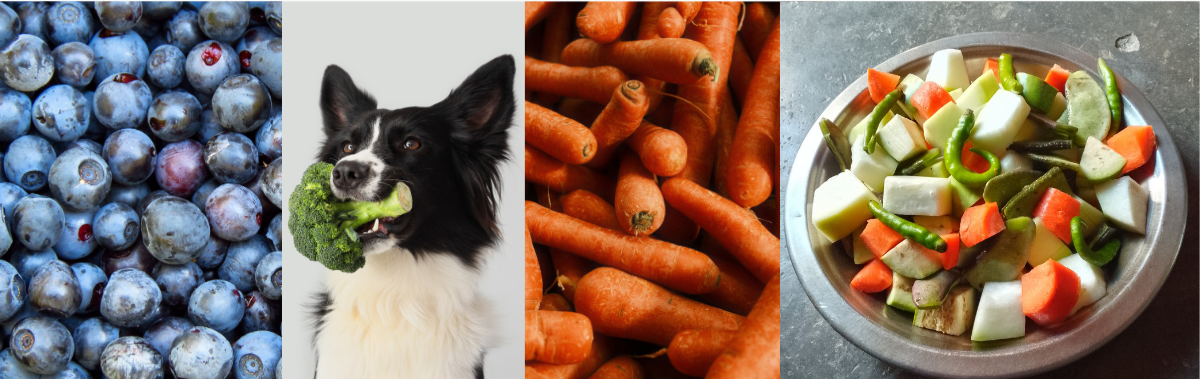
Dog and dog safe veggies
You don’t need to overcomplicate it. Small, consistent additions matter.
Avoid Known Carcinogens
This is where we have to get honest about what we’re feeding and exposing our pets to.
Avoid:
Artificial colors (especially Red Dye #40)
Synthetic flavors
Chemical preservatives
Added sugars (yes, many treats contain sugar)
I’ve been doing this from day one with my dogs. And I’ll tell you, I’ve seen too many heartbreaking stories not to take it seriously.
Reduce Environmental Toxins
Cancer prevention isn’t just about food. It’s about the environment, too.
Pesticides, herbicides, and air pollutants all matter. Plug-in air fresheners, lawn sprays, and chemical fragrances are a big concern. There’s an increased rate of bladder cancer in dogs raised in households that spray their lawns. That makes total sense to me.
I don’t care if the label says “safe once dry.” I don’t buy it.
Choose Safer Products at Home
Your pets live on the floor. They breathe closer to the ground. Everything you use in your home affects them more than it affects you.
For grooming, I like Project Sudz.
For cleaning, you can make simple natural cleaners at home, or use products like Skout’s Honor.
Rethink Flea, Tick, and Vaccine Protocols
Minimize how often you use chemical flea and tick products. Use them thoughtfully, not automatically.
The flea and tick prevention inhibits the central nervous system of the fleas and ticks in order to kill them. I'm not a veterinarian or a chemist but how could it not affect the central nervous system of the pet?
The same goes for vaccines. Instead of automatically revaccinating, ask about titer testing. A titer test measures whether your pet still has protective antibodies from previous vaccines.
Traditional vets don’t always bring this up, and yes, it can be brushed off. I had to educate my own vet. Any vet can do it, though many use a third party and it becomes expensive.
You can go directly through Kansas State University. It took me about five minutes to register, and they ran my dog’s blood work directly.
My dog Meg, who has since passed, was adopted at one year old and was never vaccinated for anything. She passed her titers at 15 years old.
For flea, tick, and mosquito repellant that I do recommend, check out: Wondercide.
Rethink Monthly Dewormers for Dogs
Question whether or not your pet needs a monthly "preventive" dewormer. The following are actually treatments that's the way in which they are "preventing" them. In other words we are feeding them flavored medication as if they already have worms. Why would we do that?
Simparica Trio: Protects against heartworms, ticks, fleas, roundworms, and hookworms.
NexGard PLUS: A monthly beef-flavored chewable for heartworm, roundworms, and hookworms.
Interceptor Plus: Controls heartworm, roundworm, hookworm, whipworm, and tapeworm.
Heartgard Plus: Focuses on heartworm prevention and treating roundworms and hookworms.
Trifexis: Treats hookworms, roundworms, and whipworms while also killing fleas.
If you look up the ingredients of these products you have to be a chemist to truly understand what's in them. Some of the ingredients are insecticides. I don't know about you but I would never intentionally feed my dog an insecticide. Let alone a nervous system inhibitor when we are seeing an increase in seizure disorders.
Pay Attention and Stay Engaged
Cancer prevention also means paying attention.
Watch for lumps and bumps. Keep your pet at a healthy weight. Make exercise a daily priority. Reduce stress wherever possible.
They really are so much like us.
We can’t control everything, and I’ll never promise that these steps prevent cancer entirely. But I do believe that what we do every day (how we feed, how we clean, how we care) matters more than we’ve been led to believe.
Being proactive isn’t about fear. It’s about giving our dogs and cats the best possible chance at long, healthy lives.
For smart, engaging conversations about pet wellness, listen to the Toni Unleashed podcast on Apple and Spotify.